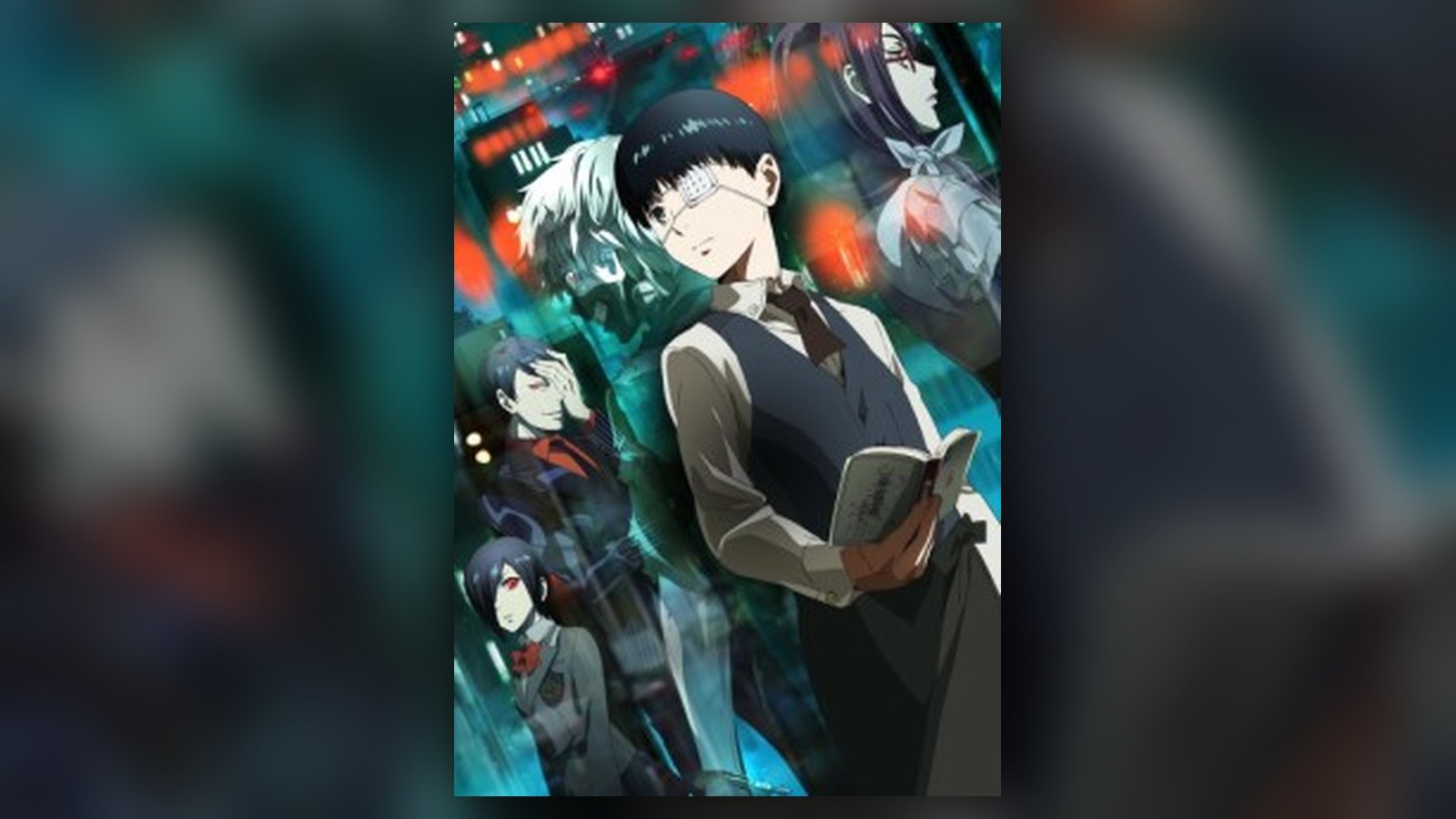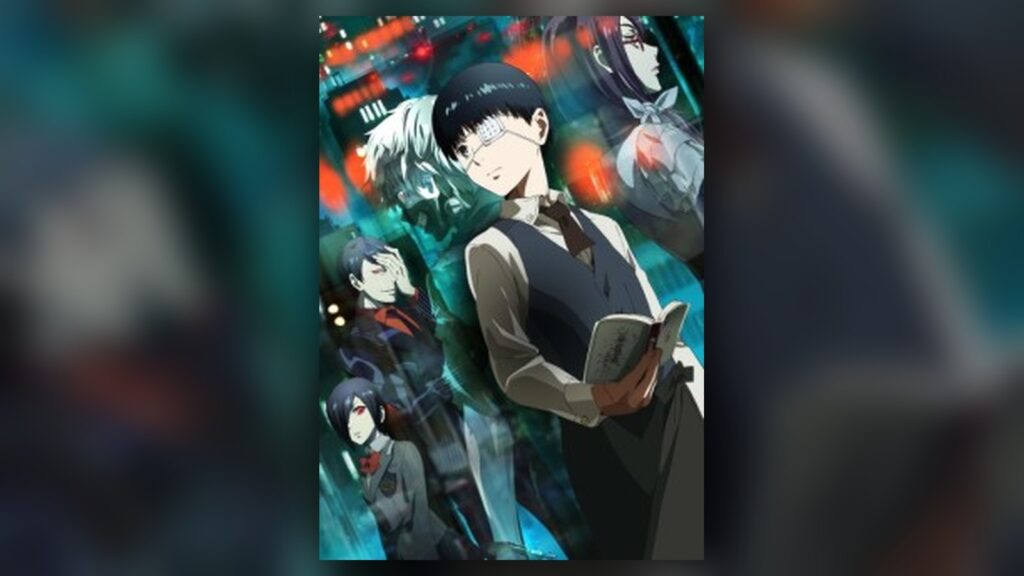
The Tokyo Ghoul reboot 2026 release date has finally been confirmed, and the entire anime community is absolutely losing it right now. After years of fan petitions, Reddit threads, and passionate debates about how the original adaptation handled Sui Ishida’s manga, Studio Pierrot and the production committee have officially greenlit a full faithful reboot of one of the most iconic dark fantasy series in modern anime history. This is the remake fans have been waiting for since 2018, and everything we know so far suggests this new version will do the source material the justice it always deserved.

Tokyo Ghoul Reboot 2026 Release Date: Everything Officially Confirmed
The Tokyo Ghoul reboot 2026 release date is set for October 2026, placing it squarely in the Fall 2026 anime season. Studio Pierrot announced this during a special livestream event in late February 2026, sending the anime fandom into a complete frenzy across X, Discord, and every major anime forum on the planet. The premiere window targets October 9, 2026, with weekly episodes planned every Thursday on Japanese television networks and simultaneous global streaming via Crunchyroll.
This puts the reboot in a stacked Fall 2026 lineup, but given the franchise’s massive global fanbase, it is expected to dominate seasonal rankings from day one. Production insiders have confirmed a two-cour run for the first season, meaning 24 to 26 episodes covering the original Tokyo Ghoul manga arc in its entirety. That alone is a massive upgrade from the original 2014 series, which crammed the same content into just 12 episodes.
Streaming Platforms and Broadcast Information
Crunchyroll has locked in global simulcast rights, which means fans everywhere get same-day access the moment episodes drop in Japan. HIDIVE is also confirmed as a secondary streaming partner for certain regions, and Netflix has reportedly secured delayed streaming rights for a package deal releasing after Season 1 concludes.
For Japanese broadcast, the reboot will air on TV Tokyo and AT-X, the same network family that hosted major hits like Naruto and the original Tokyo Ghoul run. Blu-ray and DVD collector editions are already listed on Japanese retailer sites with a Q1 2027 physical release window. Funimation’s legacy platform users will access content through the merged Crunchyroll infrastructure, so no extra subscriptions needed if you’re already a member.
Production Studio and Key Staff Confirmed
Studio Pierrot returns to helm the project, but with a completely refreshed creative team that has promised a faithful manga adaptation. The series director is Hiroshi Ikehata, whose previous work on darker seinen titles gives fans real confidence this time around. Original manga author Sui Ishida is serving as a creative consultant, which is the single biggest green flag in this entire announcement.
The character design duties have gone to Kazunori Iwakura, whose clean yet emotionally expressive style suits Ken Kaneki’s transformation arcs perfectly. Music composition returns to Yutaka Yamada, the composer behind the original series’ haunting, atmospheric score. The combination of a proven composer and fresh directorial vision is exactly the recipe fans were hoping for.
Tokyo Ghoul Reboot 2026 Release Date Story Arc Breakdown by Season
Understanding how the Tokyo Ghoul reboot 2026 release date fits into the larger adaptation plan is key for both newcomers and longtime manga readers. The production committee has confirmed a multi-season roadmap that will cover the entire manga run across four seasons total. Season 1 covers the original Tokyo Ghoul arc, Season 2 handles Tokyo Ghoul Root A with full manga accuracy this time, Season 3 takes on Tokyo Ghoul:re Part 1, and Season 4 completes Tokyo Ghoul:re Part 2.

This multi-season commitment is the most exciting part of the whole announcement. The original adaptation’s biggest failure was compressing or completely ignoring massive manga arcs, particularly in Root A where the anime went entirely off-script. Having a confirmed roadmap through the end of :re means fans can finally see the Dragon Arc, the Dragon Orphan arc, and the full emotional conclusion animated properly for the first time.
Season 1 Arc Coverage: Manga Chapters 1 Through 79
Season 1 of the reboot covers manga chapters 1 through 79, which includes Kaneki’s transformation, his time with Anteiku, the Gourmet Arc, the Ghoul Restaurant Arc, and the brutal Aogiri Tree Arc. This is the content the 2014 anime covered in broad strokes but consistently cut short or condensed to the point of losing emotional weight. With 24 to 26 episodes dedicated to this material, every major character gets proper screen time and development.
The Aogiri Tree Arc in particular is where the original anime hurt the most. Jason’s torture sequences, Kaneki’s mental breakdown and famous centipede imagery, and the full philosophical reckoning Kaneki undergoes are all confirmed to receive full adaptation treatment. Fans who only watched the original anime and never read the manga are genuinely going to have their minds broken by what this arc actually contains in full.
Season 2 Arc Coverage: Root A Done Right
Root A is where the reboot gets its biggest chance to correct history. The original Season 2 famously abandoned the manga storyline entirely and told a studio-original story that left viewers confused and manga readers furious. The reboot’s Season 2 will follow manga chapters 80 through 143, covering the full Owl Suppression Operation and the heartbreaking events at Anteiku.
This means Yoshimura’s complete backstory, the One-Eyed Owl’s true identity reveal done properly, and Kaneki’s final choice all play out exactly as Ishida wrote them. The emotional gut-punch of the Anteiku raid finale hits completely differently when you know the full context, and animated with modern production quality it is going to be devastating in the best possible way.
The Original vs Reboot: Why the Tokyo Ghoul Reboot 2026 Release Date Matters So Much
The Tokyo Ghoul reboot 2026 release date is not just another franchise cash-grab. It represents a genuine second chance for one of the most narratively rich dark fantasy manga series of the 2010s to be fully realized in animated form. The original 2014 to 2018 anime run had incredible highs, including the legendary Season 1 finale and the iconic opening “unravel” by TK from Ling Tosite Sigure, but the adaptation choices throughout Seasons 2 and 3 genuinely damaged the story’s coherence for anime-only viewers.
| Season | Original Anime | Reboot Plan | Manga Chapters | Episode Count |
|---|---|---|---|---|
| Season 1 | 12 episodes, condensed | Full faithful adaptation | Ch. 1-79 | 24-26 ep |
| Season 2 (Root A) | Off-script original story | Full manga accuracy | Ch. 80-143 | 24 ep |
| Season 3 (:re Part 1) | Heavy condensation | Faithful with full arcs | Ch. 1-125 (:re) | 24 ep |
| Season 4 (:re Part 2) | Rushed finale | Complete Dragon + ending | Ch. 126-179 (:re) | 24 ep |
Looking at this comparison makes the reboot’s ambition very clear. The original anime across all seasons gave the franchise roughly 48 episodes of content with significant deviation from source material. The reboot plan delivers close to 96 to 100 episodes of faithful manga adaptation. That is basically doubling the time spent with these characters and stories.
This reboot announcement has naturally drawn comparisons to the ongoing wave of classic anime remakes and revivals happening across the industry. If you’re excited about major franchise returns in 2026, you should also check out the Naruto Shippuden Revival 2026 remaster release date guide for another massive franchise revival hitting screens this year.
Key Characters and Cast: Voice Acting Confirmed for the Reboot
One of the biggest questions surrounding the Tokyo Ghoul reboot 2026 release date announcement was whether the beloved original voice cast would return. The answer is mostly yes, with some significant and welcome changes in specific roles. Natsuki Hanae reprises his role as Ken Kaneki, which is exactly what fans wanted since his performance in the original series was consistently praised even when the writing around his character suffered.
Sora Amamiya returns as Touka Kirishima, bringing the emotional depth and fierce energy that made Touka one of the most beloved female characters in dark fantasy anime. Yuichi Nakamura voices Nishiki Nishio again, and Mamoru Miyano is back as the charismatic and deeply unsettling Shu Tsukiyama. The returning cast brings continuity while the updated animation and fully realized scripts give them dramatically richer material to work with.
New Cast Additions for Previously Underserved Characters
Several characters who were significantly underused in the original anime are getting expanded roles in the reboot, which required new voice casting for characters whose previous appearances were too minor to establish strong associations. The Quinx Squad members from :re are getting particularly notable casting announcements, with Yuki Kaji joining as Haise Sasaki’s internal psychological counterpart in the :re arcs.
Characters like Donato Porpora and Roma Hoito, who original anime viewers barely registered as important, are confirmed to have fully animated backstory sequences in the reboot’s later seasons. This level of attention to supporting cast depth signals that the production team has actually read and understood Ishida’s full narrative intent. That is genuinely exciting for anyone who followed the manga through to its conclusion.
The Music Question: Will “unravel” Return?
Yes, and the announcement of TK from Ling Tosite Sigure returning for a reimagined version of “unravel” for the reboot’s opening theme might actually be the single piece of news that made fans the most emotional. The original “unravel” is consistently ranked among the greatest anime opening themes of all time, and having the original artist create a new version specifically for the faithful reboot is incredibly fitting.
A brand new ending theme is being composed by Yutaka Yamada to accompany each major arc, meaning the reboot will have distinct musical identities for each story phase. This approach mirrors how successful multi-cour adaptations like Demon Slayer handle their musical progression across arcs. Speaking of which, if you want to compare episode structures across major ongoing franchises, the Demon Slayer Infinity Castle Arc full episode guide is a great reference point for how long-form arc adaptation works at its best right now.
What Anime-Only Fans Need to Know Before Watching
The Tokyo Ghoul reboot 2026 release date in October is still a few months away, which gives anime-only viewers a perfect window to either read the manga or at least get caught up on what they missed from the original series. If you watched the 2014 through 2018 anime run and never touched the manga, there is a genuinely significant amount of story and character depth you have never experienced.
The most important thing to understand going into the reboot is that Tokyo Ghoul is fundamentally a story about identity, humanity, and the violence that systems inflict on individuals who do not fit their categories. Kaneki’s journey from ordinary college student to fractured half-ghoul to something entirely beyond easy categorization is one of the most psychologically complex protagonist arcs in the entire seinen genre. The original anime hinted at this depth but consistently failed to fully deliver it.
Reading Order for New Fans
For anyone coming in completely fresh to the franchise ahead of the October premiere, the recommended reading order is straightforward. Start with the original Tokyo Ghoul manga volumes 1 through 7, then continue with Tokyo Ghoul:re volumes 1 through 16. Everything is legally available in English through Viz Media’s digital platform, and Viz Media’s official Tokyo Ghoul page has the complete collection available for purchase.
The manga art style is distinct and emotionally communicative in ways that complement rather than replace the animated experience. Many fans who read ahead before the reboot premieres will find the animated version hitting even harder because they understand the full weight of every scene. That is the beauty of a faithful adaptation done right.
Avoiding Spoilers in 2026
With the Tokyo Ghoul reboot 2026 release date confirmed and the anime community generating enormous conversation, spoiler management is going to be a real challenge for newcomers. The original series is 12 years old at this point, so major plot points including Kaneki’s white-haired transformation, the Owl’s identity, and the full :re storyline are freely discussed everywhere online.
If you want the full emotional blind experience with the reboot, consider avoiding Tokyo Ghoul discussion spaces on Reddit and Discord until you’re caught up. The r/TokyoGhoul community has already started organizing spoiler-free megathreads for the reboot premiere specifically to protect new viewers coming in through the October release.
Seasonal Competition and Why the Reboot Will Still Dominate
The Fall 2026 anime season is stacked with returning franchises and new originals, but the Tokyo Ghoul reboot 2026 release date positions it as the season’s headline event. The franchise has over 100 million manga volumes in circulation worldwide and a global anime viewership that spans multiple generations of fans. The combination of nostalgia from original fans and fresh discovery from younger viewers discovering the series through streaming is a powerful launch platform.
For context on how major franchise returns perform in competitive seasonal lineups, the pattern is consistent. When major IPs return with high-quality faithful adaptations, they dominate social media discourse and streaming charts regardless of what else is airing. The Hunter x Hunter 2026 anime return release date announcement generated similar levels of anticipation earlier this year, and both franchises are expected to push Fall 2026 into one of the most watched anime seasons in years.
Why This Reboot Could Redefine the Franchise
The Tokyo Ghoul reboot 2026 release date announcement comes at a moment when the anime industry is demonstrating that faithful, high-quality remakes genuinely work. Fullmetal Alchemist Brotherhood set the template in 2009, proving that a manga-accurate reboot of a beloved but imperfectly adapted series could surpass its predecessor in every measurable way. Tokyo Ghoul has the same potential for exactly that outcome.
Sui Ishida’s creative involvement as consultant removes the biggest risk factor from the entire project. When original creators participate meaningfully in adaptations of their work, the results consistently trend toward quality. Combined with a genuine episodic commitment that doubles the original runtime and a production team that has publicly stated their intent to be faithful to the source material, every signal points toward the reboot delivering what fans have wanted for nearly a decade.
The Tokyo Ghoul reboot 2026 release date of October 2026 is not just a calendar entry for anime fans. It is the culmination of years of fan advocacy, industry evolution, and a franchise recognizing that its story deserves to be told completely and correctly. Mark your calendars, reread the manga, and get ready for Ken Kaneki’s story to be animated the way it was always meant to be seen.
About the Author: Alex Mori is a lifelong anime fan who has been tracking seasonal releases and covering the anime industry since 2014. From shonen classics to slice-of-life gems, he covers it all.