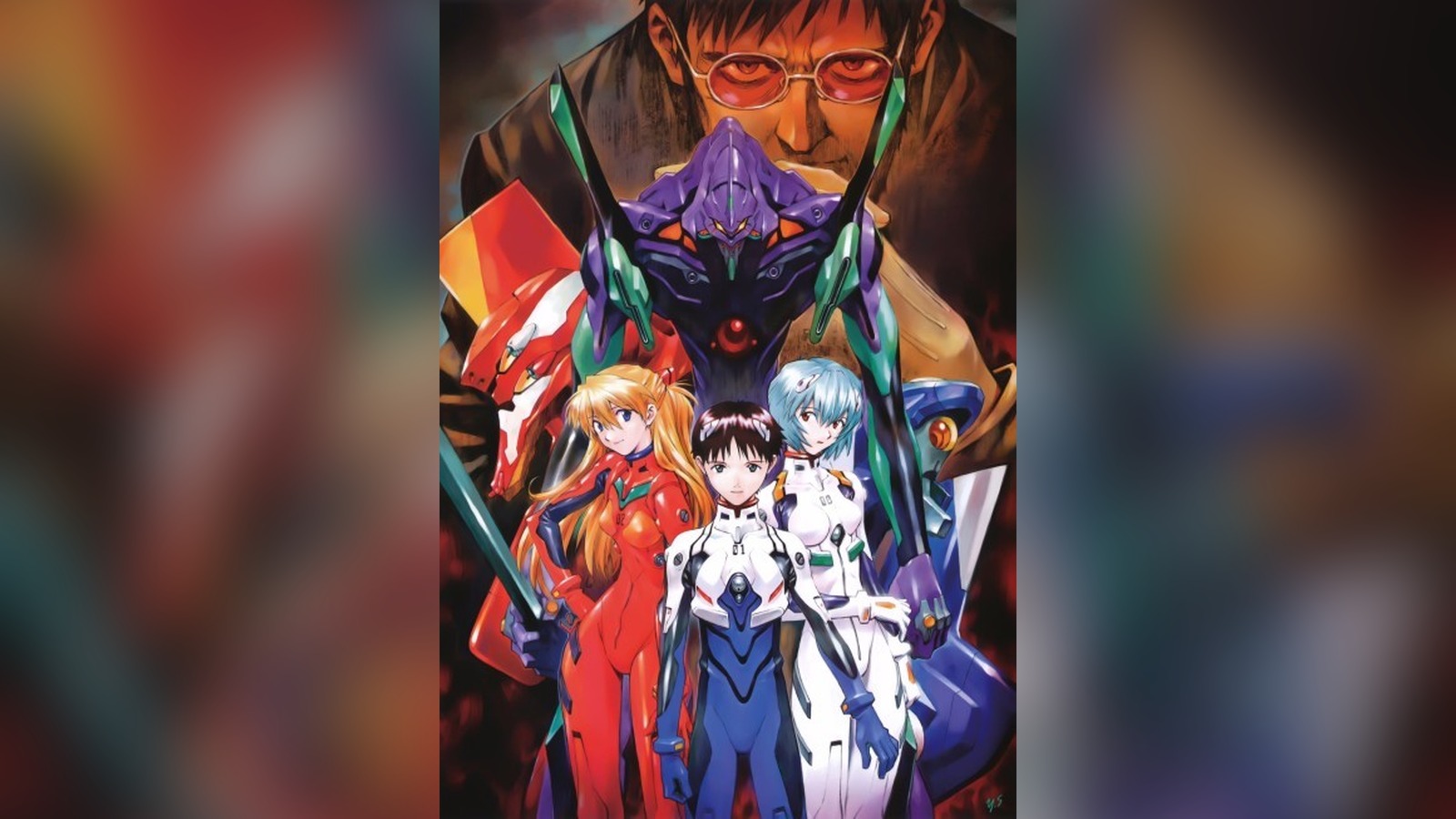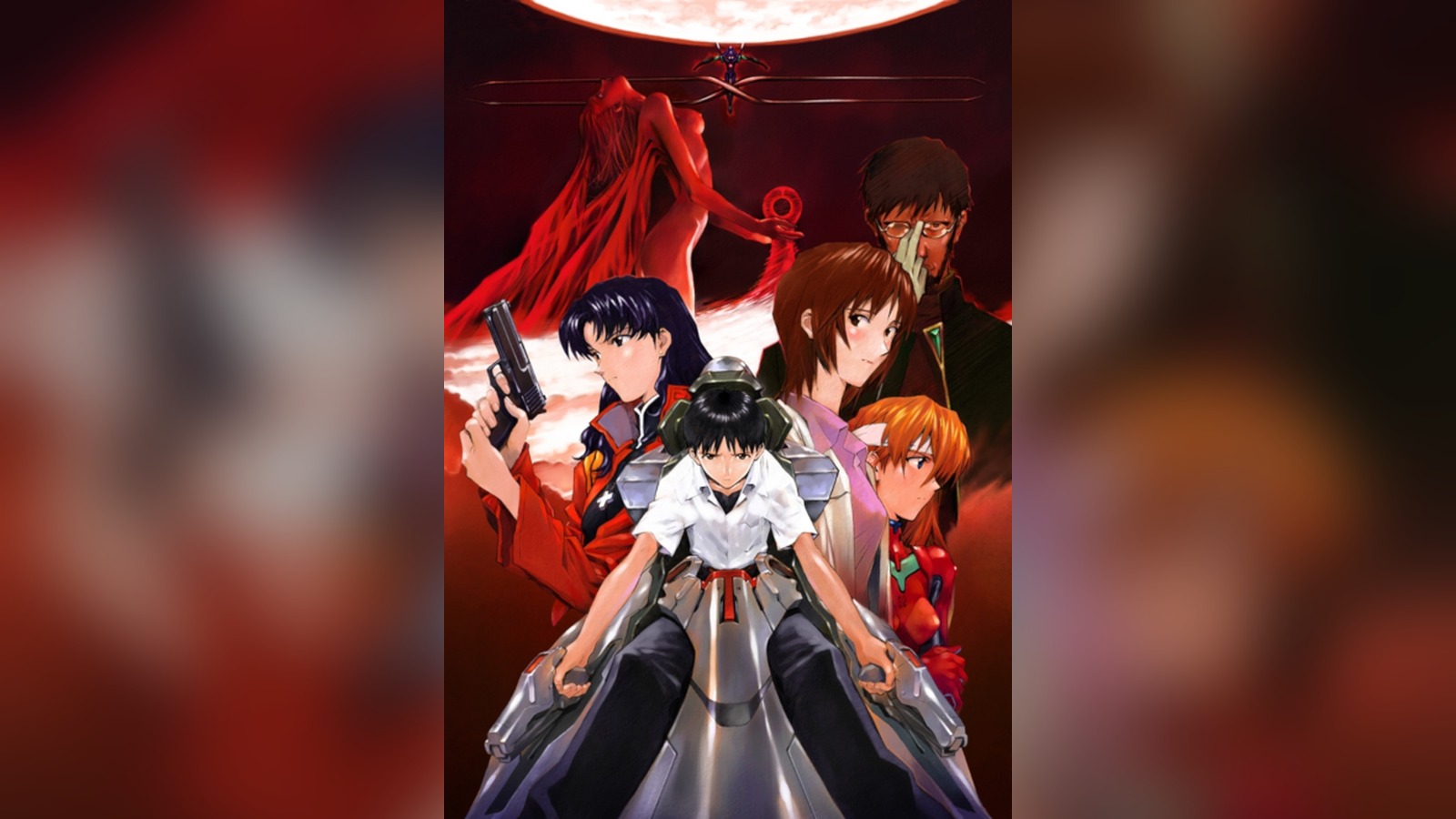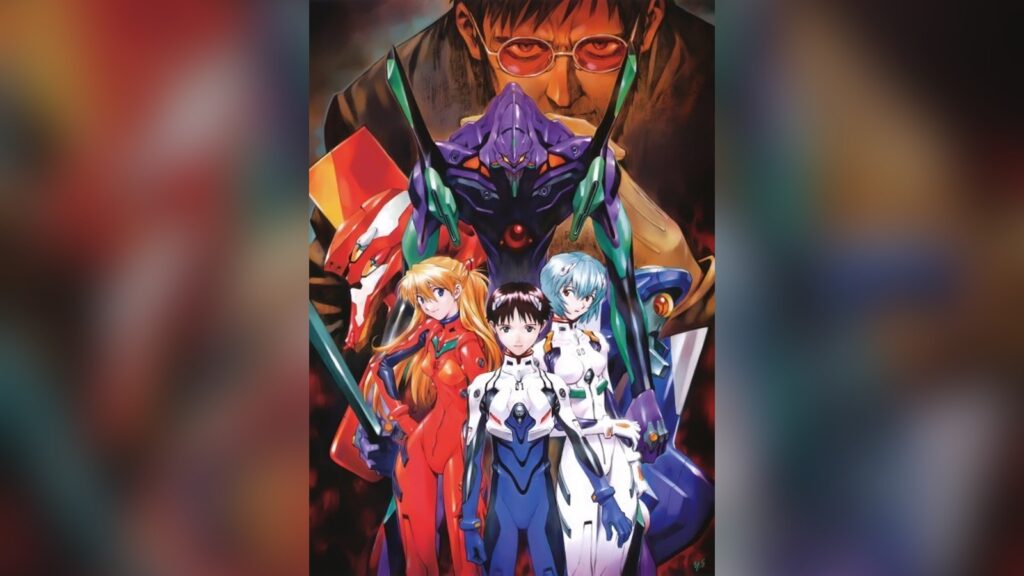
The Evangelion 2026 remaster release date has officially been confirmed, and the anime community has absolutely lost its mind in the best possible way. After years of fan speculation, petitions, and hopeful threads across every corner of the internet, Studio Khara and GAINAX’s legendary successor project is finally becoming reality. This is not a drill, Evangelion fans — the remaster is happening, and everything we know about it so far is genuinely jaw-dropping.

For those who have been living under a rock, Neon Genesis Evangelion is widely considered one of the most important anime ever made. Hideaki Anno’s psychological mecha masterpiece first aired in 1995 and changed the medium forever. Now, with the Evangelion 2026 remaster release date locked in, a whole new generation gets to experience Shinji Ikari’s story in stunning high-definition quality that the original deserved from day one.
Evangelion 2026 Remaster Release Date: What We Know Confirmed
Let’s get straight to what every fan actually wants to know. The Evangelion 2026 remaster release date is set for October 2026, timed perfectly to coincide with the original series’ 31st anniversary. Studio Khara announced the project through their official channels in early 2026, sending the fandom into complete overdrive.
The remaster is scheduled for a phased release format. The first batch of episodes — covering the iconic early arcs — drops in October, with subsequent episodes releasing on a weekly basis through December 2026 and into early 2027.
Streaming Platform and Availability
Netflix currently holds the global streaming rights for the Evangelion 2026 remaster release date rollout. This is actually good news after the complicated licensing history the original series had on the platform, where fan outcry over altered music tracks created enormous controversy.
For physical release fans, a premium 4K Blu-ray collector’s edition has been announced through Funimation and various Japanese distributors. Pre-orders opened in August 2026 and reportedly sold out within hours of going live.
Japanese television broadcast rights are held by TV Tokyo, with the remastered episodes airing on a weekly schedule starting the same month as the streaming premiere. International simulcast options are confirmed for most major regions.
Region-by-Region Release Breakdown
| Region | Platform | Start Date | Format |
|---|---|---|---|
| Japan | TV Tokyo + Netflix JP | October 4, 2026 | 4K HDR Weekly |
| North America | Netflix + Funimation | October 4, 2026 | 4K HDR Subtitled/Dubbed |
| Europe | Netflix EU | October 4, 2026 | Subbed, Select Dubs |
| Australia/NZ | Netflix + AnimeLab | October 11, 2026 | 4K Subbed/Dubbed |
| Southeast Asia | Netflix + Bilibili | October 11, 2026 | Multiple Sub Tracks |
| Latin America | Netflix LATAM | October 4, 2026 | Spanish/Portuguese Dub |
The simultaneous global release strategy is a massive step forward compared to the chaos surrounding previous Evangelion streaming launches. Fans in every region can join the conversation at the same time, which is going to make the weekly discourse absolutely electric.
What Makes the Evangelion 2026 Remaster Release Date Special
This is not a simple upscale job slapped together to make a quick profit. The Evangelion 2026 remaster release date represents a full restoration effort that Studio Khara has been quietly working on for years. Hideaki Anno himself has been involved in overseeing the visual restoration process, which immediately separates this project from the kind of lazy cash-grab remasters we sometimes see from other studios.
The original 35mm film cells have been rescanned at 4K resolution, meaning the visual quality comes directly from the source material rather than being artificially upscaled from existing digital copies. Every single episode has been color corrected to match Anno’s original artistic vision while taking advantage of modern display technology.

Audio Restoration and the Music Question
Here is where it gets really interesting for long-time fans. The audio track has been completely remastered in Dolby Atmos, and Studio Khara has confirmed that the iconic original soundtrack by Shiro Sagisu will be preserved in full. This directly addresses the nightmare that happened when Netflix first acquired Evangelion and replaced multiple musical tracks due to licensing complications.
Fan favorites like “Fly Me to the Moon” sung by Yoko Takahashi are confirmed to be restored in their correct episode placements. The fan community has been fighting for this for years, and it is genuinely satisfying to see it happen.
The Japanese voice cast recordings have also been touched up, with some minor audio restoration work done on damaged or degraded dialogue tracks. The legendary original cast — including Megumi Ogata as Shinji and Megumi Hayashibara as Rei — are all represented in their original performances.
Complete Story Arc Breakdown for the Evangelion 2026 Remaster
Understanding where the remaster fits within the larger Evangelion mythology is important context for both newcomers and returning fans. The Evangelion 2026 remaster release date covers the original 26-episode television series in its entirety, along with the Death and Rebirth compilation film and The End of Evangelion.
This is the complete original canon run. All of it. In beautiful 4K. Let that sink in.
The Awakening Arc: Episodes 1-6
The opening arc introduces Shinji Ikari being summoned to Tokyo-3 by his absent father Gendo, commander of the secretive organization Nerv. Shinji is immediately forced into piloting Evangelion Unit-01, a massive bio-mechanical weapon humanity’s last defense against creatures called Angels.
These early episodes establish the core emotional template for everything that follows. Shinji’s paralysis in the face of responsibility, his desperate need for connection, and the suffocating pressure placed on him by authority figures are all laid out with surgical precision. The remaster breathing new life into these visuals is going to hit differently for fans who know what is coming.
Episodes like “Angel Attack” and “The Beast” benefit enormously from the 4K treatment. The iconic sequence of Unit-01 moving without Shinji’s control is one of those moments that will look absolutely breathtaking in high definition.
The Synchronization Arc: Episodes 7-13
The middle run of episodes deepens the ensemble cast while expanding the mythology around the Angels and Nerv’s true motives. Rei Ayanami gets crucial development here, and the relationship dynamics between Shinji, Rei, and the fiery Asuka Langley Soryu begin taking shape.
Asuka’s introduction in episode 8 “Asuka Arrives in Japan” is one of anime’s great character reveals. Her confidence and abrasiveness is such a deliberate contrast to Shinji’s introverted hesitation that their dynamic immediately sparks off the screen. Seeing this in remastered quality is going to generate a completely new wave of Asuka fans, and honestly, good.
The psychological complexity ramps up significantly during this stretch. Episode 9’s “Both of You, Dance Like You Want to Win!” where Shinji and Asuka must synchronize their combat styles is both action spectacle and character study wrapped into one perfect episode.
The Descent Arc: Episodes 14-20
This is where Evangelion becomes something genuinely unlike anything else in anime. The narrative starts fracturing, the animation style shifts deliberately, and the psychological horror elements move from subtext to text. Episode 16 “Splitting of the Breast” and Episode 18 “Ambivalence” push boundaries that most shows would not even approach.
Shinji’s merger with Unit-01, Rei’s increasingly disturbing true nature, and the reveal of what Nerv is actually building toward with the Human Instrumentality Project all land in this stretch of episodes. Anno’s personal battles with depression visibly influenced this section of the series, and it shows in the rawness of what makes it to screen.
The remaster preserves the deliberately degraded animation quality of certain sequences, which is the correct call. Those choices were intentional artistic decisions, not budget limitations, and maintaining them respects the original creative vision.
The Impact Arc: Episodes 21-26 and End of Evangelion
The final television episodes and the End of Evangelion film together form one of anime’s most debated and dissected conclusions. The Evangelion 2026 remaster release date brings all of this to 4K in what is essentially the complete definitive experience of the original canonical story.
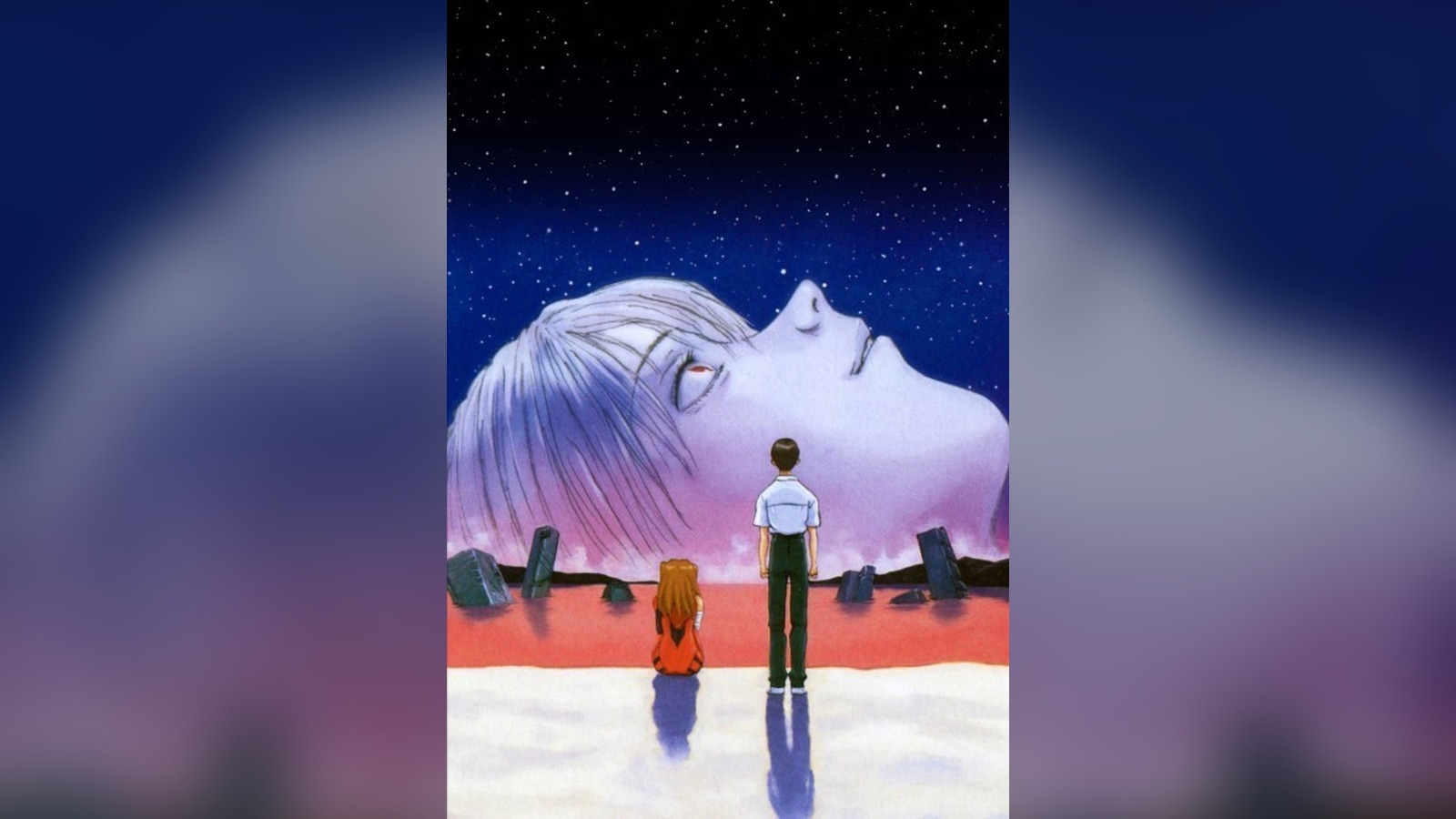
Episodes 25 and 26 go almost entirely abstract, shifting into something closer to psychological theater than traditional animation. These episodes were famously created under extreme production pressure and budget constraints, but Anno later stated they captured exactly what he wanted to express. The End of Evangelion provides the theatrical alternate ending that shows what Third Impact looked like from the outside.
For newcomers encountering the original series for the first time through the remaster, watching the television finale immediately followed by End of Evangelion is the recommended experience. It creates a complete picture of what Anno was reaching for thematically.
Evangelion 2026 Remaster vs The Rebuild Tetralogy
One of the biggest questions circulating through the fandom right now is how the Evangelion 2026 remaster release date content compares to the four Rebuild of Evangelion films that ran from 2007 through 2021. These are genuinely different works with different conclusions and should be treated as separate entries rather than one replacing the other.
The Rebuild films, ending with Evangelion: 3.0+1.0 Thrice Upon a Time, tell a story that starts similar and then diverges dramatically into new territory. The original series and End of Evangelion remain the definitive foundational text, and the remaster is exactly how new fans should experience that original vision before or after the Rebuild films.
If you want a full deep dive into similar restoration and revival projects happening right now in the anime world, check out the Fullmetal Alchemist Brotherhood 2026 Remaster release date and story arc breakdown for another massive title getting the premium treatment this year.
The remaster also gives returning fans who experienced the Rebuild films first a chance to go back to the source material with fresh eyes and modern image quality. That perspective shift is genuinely valuable for understanding how Anno’s thinking evolved across 25+ years of revisiting this story.
New Fans Guide to the Evangelion 2026 Remaster
If this is your entry point into Evangelion, welcome — you are stepping into something genuinely special. The Evangelion 2026 remaster release date is the single best opportunity new fans have ever had to experience this series correctly.
Start with the original 26 episodes in order. Do not skip anything. Every episode builds psychological and narrative context that pays off later, including episodes that might feel slow or strange on first watch. Evangelion rewards patience and attention in a way that few anime series ever have.
After the television series, watch End of Evangelion before looking at any analysis or discussion threads. Coming to that film cold is genuinely the best experience, and the internet will happily spoil everything if you give it the chance.
Where Evangelion Fits in the Mecha Genre
Neon Genesis Evangelion sits at a fascinating crossroads in anime history. The mecha genre was dominated by super robot shows and then later realistic robot shows in the Gundam tradition before Evangelion came along and broke every established rule. According to the Anime News Network encyclopedia, the series has been cited as an influence by hundreds of creators in the decades since its debut.
The Eva pilots being traumatized teenagers rather than heroic young men was a deliberate subversion. The Angels being genuinely unknowable rather than generic invaders was another. The decision to make Nerv as morally compromised as the enemies they fight was the third leg of a tripod that completely changed how anime told stories about big robots and the people inside them.
For fans who love Evangelion’s psychological depth and are looking for other revival projects to follow right now, the Naruto Shippuden Revival 2026 remaster release date guide and the Tokyo Ghoul Anime Reboot 2026 release date and story arc breakdown are both worth bookmarking for the rest of this anime year.
Fan Reactions and Community Hype
The response to the Evangelion 2026 remaster release date announcement has been absolutely massive. Twitter, Bluesky, Reddit’s r/evangelion, and anime Discord servers everywhere erupted when the official announcement dropped. Trending topics in Japan, the United States, and multiple European countries followed within hours.
Long-time fans are losing themselves in the nostalgia while simultaneously being cautious about the music situation given previous Netflix controversies. The confirmation that Shiro Sagisu’s full soundtrack is intact has done a lot to calm those concerns and convert skeptics into believers.
New fans drawn in by the Rebuild films or by the original series’ reputation are forming viewing groups and watch parties for the October premiere. The generational handoff happening right now in the Evangelion fandom is a beautiful thing to watch.
Merchandise and Collector Items
The remaster announcement has predictably triggered a wave of merchandise releases. Kotobukiya, Bandai, and Good Smile Company all have new figure and model kit lines tied to the remaster launch. The classic Revoltech Eva Unit-01 has returned in a premium version, and new Nendoroids of Shinji, Rei, and Asuka are available for pre-order now.
Limited edition collector sets bundling the Blu-ray release with art books, replica Nerv ID cards, and remastered soundtrack CDs have been announced through specialty retailers. These sets are predictably expensive and predictably sold out almost immediately in most markets.
Why the Evangelion 2026 Remaster Matters for Anime History
The Evangelion 2026 remaster release date is not just a commercial event. It is a genuine cultural moment for the anime medium. Evangelion’s influence on every area of anime, from mecha to psychological thriller to slice-of-life character studies, is so deep that honoring it with this level of restoration work sends a clear message about what kind of art the industry wants to preserve.
The original series was made under brutal conditions, with Anno fighting personal and professional battles that ultimately shaped the unusual structure of the final episodes. That context matters for understanding what you are watching, and every fan guide, analysis video, and discussion thread that blooms around the remaster launch will help new audiences understand the full picture.
Studio Khara treating this project with the seriousness and technical resources it deserves shows respect for both Anno’s artistic legacy and for the generations of fans who have kept this series alive in conversation and culture for over three decades. The Evangelion 2026 remaster release date being October 2026 means we are just weeks away from that full circle moment happening in real time.
This is the definitive way to experience Neon Genesis Evangelion. Mark your calendars. Build your watchlist. Find a friend who has never seen it and bring them along for the ride. The Evangelion 2026 remaster release date is coming, and the wait is almost over.
Get ready, pilots. Third Impact of fandom engagement is incoming.
About the Author: Alex Mori is a lifelong anime fan who has been tracking seasonal releases and covering the anime industry since 2014. From shonen classics to slice-of-life gems, he covers it all.